
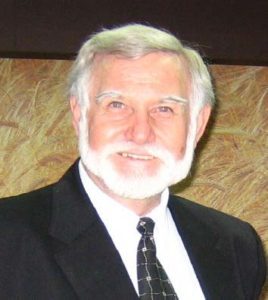
By Dr. Bill Beckham, cell practitioner and author of numerous books, including The Second Reformation
Cell churches have incredible potential to meet a desperate society’s ever-growing needs. The advantage of the cell church is found in theology, not structure. The two-winged church reflects the nature of God in His transcendence (greatness) and immanence (closeness). Transcendence describes the nature of God as above and different from man, even unapproachable. Transcendence means divine reality is not limited to our natural order but is above it. God is the “most high” God.
On the other hand, immanence expresses the indwelling of the Divine in the world. God is the “most nigh” God. Immanence explains God’s nature as close and near. This definition of transcendence and immanence can also be interpreted as follows:
- Transcendence: How man relates to God in His Godness.
- Immanence: How God relates to man in his humanness.
Over the centuries, fierce theological battles have been fought at the point of the related doctrines of the transcendence and immanence of God. As with many doctrinal disagreements, this seems to have been a problem of balancing two equally valid and essential truths about the nature of God. The pendulum has swung back and forth between the extremes of transcendence and immanence. God is “wholly other,” and also “indwelling and abiding in the midst.”
This is not a debate about structure but a truth about how God chooses to be His body on earth, express Himself to humanity, and operate His Kingdom in the world. In relation to mankind, God has chosen to be both transcendent (far), and immanent (near)—this is His theological paradigm.
God has made provision to relate to me in three unique ways:
- Within the large group setting of the “whole body”
- Personally
- Where two-or-three are gathered in a small group meeting
The large group setting gives a context in which the focus can be upon the “most high” God in the heavens. In that large group experience the church experiences God as Trinity. This is why the church sings:
Holy, Holy, Holy Lord God Almighty!
All Thy works shall praise Thy name, in earth, and sky, and sea;
Holy, Holy, Holy! Merciful and Mighty!
God in Three Persons, blessed Trinity!
As an individual Christian, I also experience God in Trinity. I know Christ is in me, the Father abides with me and the Spirit dwells in me. That is my personal experience with God.
In John 14, Jesus carefully reveals another relationship He uses to relate to His followers. This is in addition to the personal (individual) indwelling and the large group (mass) indwelling. The small group gives a special setting in which Christ will live with His disciples in every age as He did with the disciples in that first special community of twelve.
The cell group setting establishes an intimate context for experiencing the “most nigh” God in our midst. We must not forget God always expresses Himself as the “most nigh” God in a Trinitarian way: Father, Son, and Spirit.
Korean blog (click here)
Portuguese Blog
Ministério de Igrejas em Células: A experiência da Transcendência e da Imanência
Dr. Bill Beckham, Ativista do Movimento Celular e autor de diversos livros, inclusive o livro The Second Reformation
As igrejas em células têm um potencial incrível de alcançar uma sociedade desesperada e com necessidades cada vez maiores. A vantagem da igreja em células está na teologia e não na estrutura. A igreja em “duas asas” reflete a natureza de Deus em sua transcendência (grandeza) e imanência (o quão perto Ele está). A transcendência descreve a natureza de Deus como um superior e diferente do homem, até mesmo inalcançável. A transcendência nos ensina que a realidade de Deus não está limitada à nossa ordem natural, e está acima dela. Deus é o Deus “altíssimo”.
Ainda assim, a imanência expressa a presença de Deus no mundo. Deus é o Deus “absolutamente perto”. A imanência explica a natureza de Deus como sendo íntima e próxima. Estas definições de transcendência e imanência podem ser interpretadas assim:
- Transcendência: Como o homem se relaciona com Deus em sua divindade.
- Imanência: Como Deus se relaciona com o homem em sua humanidade.
Ao longo dos séculos, ferozes batalhas teológicas foram travadas sobre as diferentes doutrinas sobre a transcendência e imanência de Deus. Assim como em muitos outros pontos de discórdia teológica, neste ponto também parece que o problema está no equilíbrio entre duas verdades igualmente válidas e essenciais sobre a natureza de Deus. O pêndulo doutrinário já foi e voltou de cada um dos extremos da transcendência e da imanência. Deus é “aquele que é diferente de absolutamente todos” e também é “aquele que habita e permanece em tudo e em todos”.
Isso aqui não é uma discussão sobre a estrutura, mas o declarar da verdade sobre como Deus escolhe encarnar na terra, expressar-se à humanidade e operar o seu Reino aqui no mundo. Em relação ao ser humano, Deus decidiu ser tanto transcendente (distante) quanto imanente (próximo). Este é o seu paradigma teológico para nós.
Deus preparou condições para se relacionar comigo de 3 maneiras únicas:
- A partir da grande reunião ou congregação conhecida como “Corpo Inteiro”
- De uma maneira pessoal
- Em situações de “dois ou três reunidos” em pequenos grupos
A grande reunião nos traz o contexto em que o foco pode ser no “altíssimo”, Deus nas alturas. Nesta experiência congregacional a igreja experimenta Deus na Trindade. É por esta razão que a igreja canta:
The large group setting gives a context in which the focus can be upon the “most high” God in the heavens. In that large group experience the church experiences God as Trinity. This is why the church sings:
Santo, Santo, Santo, Deus onipotente!
Tuas obras louvam teu nome com fervor
Santo, Santo, Santo, Justo e Compassivo!
És Deus triuno, excelso criador!
Como um indivíduo cristão, eu também posso experimentar o Deus Trino. Eu sei que Cristo está em mim, sei que o Pai está em mim e que o Espírito Santo habita em mim. Esta é a minha experiência pessoal com Deus.
No capítulo 14 do evangelho de João, Jesus cuidadosamente revela outro tipo de relacionamento que Ele usa com seus seguidores. É uma adição ao relacionamento pessoal (individual) e ao relacionamento em um grande grupo (em massa). O pequeno grupo traz uma oportunidade de relacionamento em que Cristo vive com seus discípulos ao longo da história, assim como Ele fez com seus discípulos naquela primeira comunidade tão especial de doze pessoas.
A célula prove o contexto de intimidade para que seja possível experimentar o “Deus altíssimo” em nosso meio. Não devemos esquecer que Deus sempre se expressou como “absolutamente perto” de uma maneira Trina: Pai, Filho e Espírito.
Spanish blog:
Ministerio de la Iglesia Celular: Experimentar la trascendencia y la inmanencia de Dios
Por el Dr. Bill Beckham, practicante celular y autor de numerosos libros, entre ellos La Segunda Reforma
Las iglesias celulares tienen un potencial increíble para satisfacer las necesidades cada vez mayores de una sociedad desesperada. La ventaja de la iglesia celular se encuentra en la teología, no en la estructura. La iglesia de dos alas refleja la naturaleza de Dios en su trascendencia (grandeza) e inmanencia (cercanía). La trascendencia describe la naturaleza de Dios como superior y diferente del hombre, incluso inaccesible. La trascendencia significa que la realidad divina no se limita a nuestro orden natural, sino que está por encima de él. Dios es el Dios “altísimo”.
Por otra parte, la inmanencia expresa la inhabitación de la Divinidad en el mundo. Dios es el Dios “más cercano”. La inmanencia explica la naturaleza cercana y próxima de Dios. Esta definición de trascendencia e inmanencia también puede interpretarse de la siguiente manera:
– Trascendencia: Cómo el hombre se relaciona con Dios en Su Divinidad.
– Inmanencia: Cómo se relaciona Dios con el hombre en su humanidad.
A lo largo de los siglos se han librado encarnizadas batallas teológicas en torno a las doctrinas afines de la trascendencia y la inmanencia de Dios. Como ocurre con muchos desacuerdos doctrinales, parece que se ha tratado de un problema de equilibrio entre dos verdades igualmente válidas y esenciales sobre la naturaleza de Dios. El péndulo ha oscilado entre los extremos de la trascendencia y la inmanencia. Dios es “totalmente otro” y también “habita y permanece en medio”.
Esto no es un debate sobre la estructura, sino una verdad sobre cómo Dios elige ser Su cuerpo en la tierra, expresarse a la humanidad y operar Su Reino en el mundo. En relación con la humanidad, Dios ha elegido ser tanto trascendente (lejano), como inmanente (cercano) -este es Su paradigma teológico.
Dios ha dispuesto relacionarse conmigo de tres maneras únicas:
– Dentro del gran grupo del “cuerpo entero”.
– Personalmente
– Donde dos o tres están reunidos en un grupo pequeño
El entorno del grupo grande ofrece un contexto en el que la atención puede centrarse en el “Altísimo” Dios en los cielos. En esa experiencia de grupo grande, la Iglesia experimenta a Dios como Trinidad. Por eso la iglesia canta
¡Santo, Santo, Santo Señor Dios Todopoderoso!
Todas tus obras alabarán tu nombre, en la tierra, en el cielo y en el mar;
¡Santo, Santo, Santo! ¡Misericordioso y Poderoso!
¡Dios en Tres Personas, bendita Trinidad!
Como cristiano individual, también experimento a Dios en Trinidad. Sé que Cristo está en mí, que el Padre mora conmigo y que el Espíritu mora en mí. Esa es mi experiencia personal con Dios.
En Juan 14, Jesús revela cuidadosamente otra relación que utiliza para relacionarse con sus seguidores. Esta es adicional a la morada personal (individual) y a la morada del grupo grande (masa). El grupo pequeño da un escenario especial en el cual Cristo vivirá con Sus discípulos en cada época como lo hizo con los discípulos en esa primera comunidad especial de doce.
El entorno del grupo celular establece un contexto íntimo para experimentar al Dios “más cercano” en medio de nosotros. No debemos olvidar que Dios siempre se expresa como el Dios “más cercano” de una manera trinitaria: Padre, Hijo y Espíritu.